
Table of Contents
ToggleSyracuse Estate Administration Lawyer
LET’S TALK ABOUT HOW WE CAN WORK TOGETHER
Ready to Move Forward? Schedule a Telephone Conference Today







When someone close to you dies, the days and weeks that follow can feel disorienting. You are juggling grief, practical decisions, and pressure from all sides. Paperwork and court forms may be the last things you want to tackle. Still, estate administration is not something to put off for long. Starting now protects your loved one’s legacy, reduces stress down the road, and gives you a clear plan for what happens next.
At Davies Law Firm, our compassionate estate administration lawyers in Syracuse meet you where you are, listen to what matters most to your family, and lay out the next steps in plain language. You will know who needs to do what, what can wait, and what should happen this week. With steady guidance and consistent communication, you can move through the legal process at a manageable pace while keeping your family’s goals front and center.
Schedule a telephone conference with one of our Central New York estate planning attorneys today. Call (315) 472-6511. Together, we can turn an overwhelming list of to-dos into a steady plan that helps you protect what matters most.
Over 10,000 PEOPLE Have Trusted Davies Law Firm
Contacted the Davies Law firm regarding our Estate Plan. Fred Davies thoroughly explained the intricacies of Living Will, Health Care proxies, Medicaid qualifications for Nursing Homes and provided guidance for…

I went to Davies’ Estate Planning Seminar with the not so positive attitude that I sometimes have…The seminar was extremely throughout and professionally presented. I decided …

I needed some legal advice about my grandfathers home, and assets. The gentleman at Davie’s Law Firm answered all of my questions and helped get me on track! …


What Estate Administration Means in New York
When a loved one passes, New York law sets the rules for how their property moves to the next owners.
Probate vs. Administration (Will vs. No Will)
Probate is the court process used when there’s a valid Will. The person named in the Will asks the Onondaga County Surrogate’s Court to admit the Will and appoint them as Executor. After the court issues Letters Testamentary, the Executor can collect estate assets, pay valid debts and taxes, and distribute what remains according to the Will’s terms. Assets with beneficiaries or joint ownership (like life insurance, Payable on Death/Transfer on Death accounts, or a home held joint with right of survivorship) usually pass outside probate.
Administration is the process when there’s no Will. A close relative can petition the Surrogate’s Court to be appointed Administrator. New York’s intestacy statute (EPTL § 4-1.1) sets who can be appointed as Administrator and who can inherit, based on family relationships. After Letters of Administration are issued, the Administrator has authority to gather property, address claims and taxes, and distribute according to the statute.
Both probate and administration serve the same overall purpose: getting the right person legally in charge so the estate can be settled properly. The main difference is whether there’s a Will to follow or not.
Onondaga County Surrogate’s Court Overview
For families in Syracuse and surrounding Central New York communities, estates of decedents are administered through the Onondaga County Surrogate’s Court. Located in downtown Syracuse at the Onondaga County Courthouse, the court reviews the petition, appoints an Executor or Administrator, and keeps the file moving until the estate closes.
A typical sequence looks like this:
- Filing the petition with the death certificate and supporting papers
- Giving legal notice to distributees and, in probate, interested parties named or affected
- Receiving Letters Testamentary (Will) or Letters of Administration (no Will)
- Collecting and valuing assets, paying valid claims and taxes, resolving disputes
- Preparing an accounting and distributing what remains to heirs or beneficiaries
Court staff handle thousands of filings, so complete paperwork and clear communication help you move faster. Working with a skilled attorney who is familiar with Onondaga County forms, timelines, and routine issues helps you avoid repeat trips and costly delays.
| Topic | Probate (Will) | Administration (No Will) |
|---|---|---|
| When it applies | When there’s a valid Will | When there’s no Will |
| Who seeks appointment | The person named in the Will petitions the Surrogate’s Court | A close relative petitions the Surrogate’s Court |
| Court & authorization | Onondaga County Surrogate’s Court admits the Will and appoints an Executor; court issues Letters Testamentary | Surrogate’s Court appoints an Administrator; court issues Letters of Administration |
| Distribution rules | Distributes what remains according to the Will’s terms | Distributes according to New York’s intestacy statute (EPTL § 4-1.1) |
| Core responsibilities after letters are issued | Collect estate assets, pay valid debts and taxes, distribute remaining assets | Gather property, address claims and taxes, distribute under the statute |
NEARLY 4 DECADES CREATING ESTATE PLANS IN SYRACUSE
We went to a Living Trusts seminar in 2006 where we first met Fred Davies. After some insightful discussions with him, and as we wanted to protect our assets for our and our children’s’ futures …

I’m extremely satisfied with the Davies Law Firm. They have always been extremely professional and courteous and have answered my phone calls in a timely manner manner.

Bill Davies could not have been more helpful after my mother’s passing. He walked us through everything we needed to know. Such a relief to have had his expertise on how to move forward with the trust. I still call…

Reserve Your Seat at Our Next Free Estate Planning Seminar
Learn how to protect your family and your assets: no pressure, no obligation.
Do You Need to Open an Estate?
In New York, the need to open an estate is decided on two things: how assets are titled and their total value. Here is how to spot the tipping points in Syracuse and the rest of Onondaga County.
Asset Types That Trigger Court Involvement
Court involvement usually turns on whether assets that cannot legally change hands without a court-appointed fiduciary exist. If an account or piece of property sits solely in your loved one’s name with no beneficiary, you will likely need to petition the Surrogate’s Court and open the decedent’s estate.
You typically need to open an estate for a decedent when assets include any of the following:
- Solely titled bank or brokerage accounts with no payable-on-death (POD) or transfer-on-death (TOD) designation
- Real estate in New York owned in the decedent’s name alone
- Business interests (LLC membership, corporation shares) held solely in the decedent’s name
- Personal property of significant value kept outside a trust (for example, classic cars, valuable collections)
- Legal claims that require a representative to act, such as a negligence claim or a contract claim on behalf of the estate
You typically do not need to open a decedent’s estate with the Surrogate’s Court for:
- Life insurance and retirement accounts with named beneficiaries
- Joint accounts or real estate held with rights of survivorship
- Assets titled in a funded revocable trust
- POD/TOD accounts that list living beneficiaries
If a bank or institution freezes an account despite beneficiary designations, a court appointment may still be required to get information or release funds. That is common when paperwork is incomplete, conflicting, or outdated.
Small Estate (Voluntary) Administration ($50,000 & Under)
New York offers a streamlined path called Voluntary Administration (often called the “small estate” procedure) when personal property totals $50,000 or less. This is designed to be faster and less expensive than a full probate or administration.
Here is how it helps:
- You file a short petition in the Surrogate’s Court to be appointed as a Voluntary Administrator.
- Once appointed, you can collect modest bank accounts, vehicles, and similar personal property, pay valid expenses, and distribute to the correct heirs or beneficiaries.
- This procedure cannot be used to transfer solely owned real estate. If the decedent owned a home in only their name, you will typically need a full probate or administration to address title, liens, or a sale.
Voluntary Administration still follows New York’s priority rules for who may file and who receives property if there is no Will. That keeps the process fair, even when amounts are small.
When Full Probate/Administration Is Still Necessary
Some situations call for the full process, even if the estate looks straightforward at first glance. The goal is to put a legally authorized person in charge, with clear court oversight, so assets can be gathered, debts paid, and distributions made correctly.
Full probate or administration is usually required when:
- The estate includes solely owned New York real estate
- Total personal property exceeds $50,000
- Disputes exist about the Will, heirs, creditor claims, or asset ownership
- A lawsuit must be started or continued on behalf of the estate (for example, a personal injury claim that survives the decedent)
- Minor or incapacitated beneficiaries require additional protections and court-approved distributions
- The decedent lived outside New York but owned New York real property (often handled as ancillary probate)
Once appointed, the personal representative has authority to marshal assets, address taxes and debts, and make distributions in the correct order. When you are finished, you close the estate with an accounting that shows what came in, what went out, and what each beneficiary received.
New York Estate Administration Lawyer – Davies Law Firm
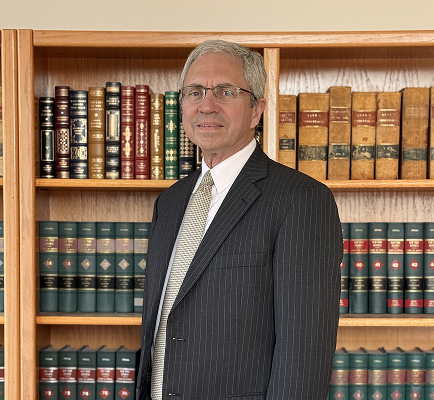
Frederick P. Davies
Frederick P. Davies is a seasoned estate administration and elder law attorney serving Syracuse and Central New York. With a career defined by disciplined leadership, Mr. Davies leverages decades of experience to assist clients with estate planning, living trusts, and the often-complex probate process.
A 1985 graduate of Syracuse University College of Law, Mr. Davies began his legal journey in the U.S. Navy Judge Advocate General’s (JAG) Corps. His military service spanned nearly 30 years, culminating in a prestigious role as a senior legal instructor. Since founding Davies Law Firm in 1993, he has focused exclusively on estate law, helping clients through Medicaid planning, trusts creation and administration, and asset protection. As a member of the Estate Planning Council of Central New York and a frequent lecturer with over 1,000 speaking engagements, Mr. Davies provides the strategic oversight necessary to settle estates efficiently and correctly.
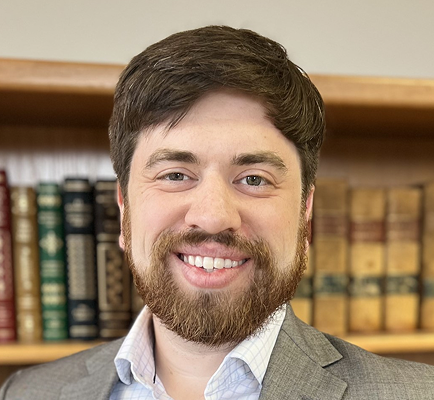
William P. Davies
William P. Davies brings extensive legal education to the settlement of estates and trusts. After graduating magna cum laude from Albany Law School, he obtained a Master of Laws (L.L.M.) in Estate Planning. His work addresses tax strategies, trust execution, and probate law in New York and Florida.
Mr. Davies applies a scholarly approach to his practice, drawing on experience as an editor for the Albany Law Review. He is a committed member of the New York State Bar Association and the American Bar Association. As a Past President of the Estate Planning Council of Central New York, he regularly presents to peers on estate law topics. Clients receive clear counsel grounded in academic rigor and detailed analysis.
Trusted Experience: Over 10,000 PEOPLE Have Chosen Us to Protect Their Legacy with Living Trusts
My husband Ken and I highly recommend the Davies Law Firm. We first met them at a free seminar and quickly decided to work with them on our Living Trust…

The Davies Law Firm helped my 86 year old father create a Trust about two years before he passed. I was there for the entire process and Fred and Bill were very personable and listened to my father’s concerns…

My husband and I used Fred Davies to prepare our Wills, Trust, Health Care Proxies and Powers of Attorney. He and his staff are informative, professional and friendly, and we felt completely at ease with taking this…


Initial Steps
In the days following a loved one’s passing, everything can feel like it’s happening at once. There’s grief, family to notify, and practical decisions that can’t be ignored. While estate administration might not feel urgent in the moment, a few timely steps can prevent bigger problems later. If you’re in Syracuse or anywhere in Central New York, here’s what to focus on first.
First-Week Priorities (Certificates, Mail, Property)
Start with documents and basic safeguarding. You do not need court authority to protect what is already there; you just need to avoid moving money or distributing property before someone is formally appointed.
Order several certified death certificates through the funeral home or Onondaga County’s vital records office. Banks, insurers, and the Surrogate’s Court will ask for them. Keep them together with the social security number, date of birth, and last address.
If your loved one lived alone, take time to secure the residence. Lock doors and windows, collect spare keys, and check for hazards like running water, perishable food, or pets that need immediate care. Photograph the condition of the home. Do not give away household items yet. Keeping the home insured and in good condition is part of your early responsibilities, even before you’re formally appointed as Executor or Administrator.
Watch for important documents and bills in the mail. You can submit a mail forwarding request through the USPS once you have a legal interest or involvement. In the meantime, collect anything that looks financial, legal, or related to property or insurance. Don’t dispose of paperwork until someone has reviewed it.
Call utilities to keep essential services active, especially heat during Syracuse’s cold winters. You can maintain accounts without transferring ownership yet. If there are vehicles, note where they are parked and secure the titles.
Pause automatic payments and subscriptions where possible, but avoid closing accounts that might hold estate funds. Make a simple ledger of any urgent payments you make (locks, pet boarding, utility deposits). Save receipts, reimbursement can be handled after someone is appointed.
Identifying the Executor or Next of Kin
If there’s a Will, it likely names an Executor: the person the decedent trusted to carry out their wishes. Look for an original, this is often in a clearly labeled folder, a home safe, with the drafting attorney, or in a bank safe deposit box. If you suspect a safe deposit box holds the Will, speak with the bank about New York’s limited access process to search for it; this can often be done without full court authority.
If no Will can be found, New York law decides who can apply to serve as Administrator. This usually starts with the surviving spouse, adult children, or other close relatives, based on a clear priority list. If more than one person has equal priority, families can consent to a single Administrator or ask the court to decide.
If the person named as Executor declines or has passed away, the court can appoint an alternate named in the Will or an eligible distributee. Do not worry if you are not sure who fits best; this is something an attorney can assess quickly based on your family tree and the documents on hand.
Document & Information Checklist
When you are ready to meet with a lawyer or start court papers, this list helps you move fast:
- Certified death certificates (multiple copies)
- Original Will and any codicils; any trust documents
- Names, addresses, and contact info for next of kin and beneficiaries
- Recent bank, credit union, and brokerage statements
- Life insurance policies; retirement accounts (401(k), IRA) with beneficiary pages
- Deeds, mortgage statements, leases, and property tax bills
- Vehicle titles and recent registrations
- Business records (LLC operating agreement, shareholder documents)
- Last two years of federal and New York tax returns; W-2/1099s if available
- Credit card statements, medical bills, personal loans, and other debts
- Social Security, pension, and veterans’ benefit letters
- Safe deposit box information and key (if any)
- Digital access list (email, online banking, cloud storage) if available
- Funeral home contract and receipts for immediate expenses
Bring what you can. Gaps are normal at this stage; account and policy details can often be obtained after a fiduciary is appointed.
Let us get you a clear first-week game plan. At Davies Law Firm, our Syracuse estate administration attorney helps individuals and families start the process without guesswork. From helping you identify the right person to serve, to outlining exactly what documents you need to move forward, we can walk with you through each early task.
Schedule a telephone conference today at (315) 472-6511. We can help you strategize and build a plan that fits your family’s situation.
Fred Davies, Colonel, USAF (Ret.), served as a JAG officer and was the U.S. Air Force’s Estate Planning Subject Matter Expert.
Fred Davies and his team are friendly, attentive, and go out of their way to help their clients make the best decisions possible. Their guidance and explanations on setting up a revocable trust were very much…

Excellent Law Firm and I have enjoyed working with Fred and Bill Davies. I have mostly worked with Bill and found him, much like his father, to be very professional and responsive to my needs..

When I needed to move my mother from NY to FL to care for her and then find a nursing home facility nearby , applying for Medicaid became my responsibility…


How the Court Process Works
Once the initial tasks are handled, securing the home, collecting documents, and confirming who will serve, the estate needs formal approval from the Surrogate’s Court. This court-supervised process gives you legal authority and a framework to follow. If you are managing an estate in Syracuse or elsewhere in Onondaga County, here is what to expect.
Filing the Petition & Receiving Letters
The first step is asking the Surrogate’s Court to give someone legal authority to act for the estate. If there is a Will, you file a probate petition and ask to be appointed Executor. No Will? You file an administration petition and ask to be appointed Administrator. The court reviews the paperwork, confirms who has priority to serve, and may require a bond in certain situations.
You will submit the original Will (if there is one), certified death certificate, and supporting documents that explain the family tree and identify next of kin. In some estates, you can request Preliminary Letters to handle urgent tasks, like securing a property or accessing a time-sensitive account, while the full petition is pending.
Once the judge approves the appointment, the clerk issues Letters Testamentary (with a Will) or Letters of Administration (no Will). Those “Letters” are the proof that banks, title companies, and others need to work with you.
Notifying Heirs/Beneficiaries & Establishing Jurisdiction
Before the court can officially appoint a fiduciary, it must confirm that everyone with a legal interest in the estate has been notified. This includes:
- Distributees (legal heirs under intestacy law if there’s no Will)
- Beneficiaries named in the Will (if one exists)
The court obtains jurisdiction through signed waivers and consent forms or through formal service of a citation with a court date. Signed waivers and consent may be required for distributees and beneficiaries who would have received more assets under a previous will. Beneficiaries on their own, who are not distributees, also have to receive notice of probate.
If someone cannot be found, the court may allow alternate notice after reasonable efforts. If family relationships are unclear, the judge can require additional proof or hold a limited kinship hearing. Clear notice at this stage avoids problems later.
Bonds, Insurance, and Indemnification
Once you have Letters, you can begin marshaling the estate’s assets. This means identifying, securing, and managing all property the decedent owned at the time of death.
This typically involves:
- Opening an estate account under a new tax ID (EIN)
- Transferring bank accounts into the estate’s name
- Safeguarding real property
- Ordering appraisals for real estate, vehicles, collectibles, or business interests
- Gathering and reviewing creditor claims and financial records, including tax returns and investment portfolios
New York provides a seven-month window from the date you receive Letters for most creditor claims to surface. Paying or distributing before that period can create personal risk if a valid claim appears afterward, so timing matters.
Accounting and Closing the Estate
When debts, taxes, and expenses have been handled and you are ready to distribute, you prepare an accounting. Think of it as the estate’s final report: what came in, what went out, and what each beneficiary or heir will receive.
Many estates close through an informal accounting, where beneficiaries sign off on the final distributions using receipts and releases. If there’s disagreement, or if there are minors or incapacitated heirs, or complex distributions, the estate may need a judicial accounting. This involves submitting your accounting to the court for approval before closing.
After distributions are made and the accounting is accepted (informally or by court order), you can close the estate. The court can discharge you from further responsibility, and the file is complete.
Our estate administration lawyers at Davies Law Firm can guide you through each stage, from filing the petition to closing the estate. We handle the court paperwork, notices, and timelines so you can focus on honoring your loved one’s legacy. Schedule a telephone conference today for straightforward legal support that fits your family’s needs. Call us at (315) 472-6511.
Fiduciary Duties & Risk Management
When you accept the role of Executor or Administrator in New York, you take on legal duties that carry real responsibility. Your decisions affect timelines, taxes, and the people counting on you. Here is how to approach your duties the right way and avoid the missteps that can cause delays, disputes, or even personal liability.
Acting as a Prudent Executor/Administrator
Being a fiduciary means you are acting for the benefit of others; this includes the heirs, beneficiaries, and creditors, not yourself. Your responsibility starts with keeping estate funds completely separate from personal finances. You will need to open an estate account and use it for everything related to the estate. No mixing, no shortcuts.
Your role includes safeguarding property and staying on top of tax filings, deadlines, and keeping clear records. This does not mean that you will have to do everything by yourself. You can ask for assistance from a legal or tax professional to help you manage the estate. However, the process must remain transparent to avoid any issues down the line.
Common Pitfalls to Avoid
Many fiduciaries start off with good intentions but get tripped up by things that seem minor in the moment. The biggest mistakes tend to fall into a few common categories:
- Making early distributions before debts and taxes are handled. Even if everyone agrees, you can be personally liable if a creditor shows up later.
- Failing to keep records. Without receipts and logs, it’s tough to show how money was spent or why certain choices were made.
- Letting property sit unprotected. Vacant homes can go uninsured, or fall into disrepair. That can cause real losses, especially during winter in Central New York.
- Not communicating. Beneficiaries often feel left in the dark. A few short updates along the way can prevent tension and reduce the chances of formal disputes.
Avoiding these issues does not take perfection; it just takes awareness, planning, and a willingness to ask for help before a small issue turns into a big one.
Bonds, Insurance, and Indemnification
A bond is a surety policy that protects heirs and beneficiaries if a fiduciary mishandles assets. In probate, the Will may waive a bond; in administration, the court can require one unless all distributees waive or the judge finds it unnecessary. If a bond is required, the cost comes from the estate and is treated as an expense.
Insure what the estate owns. Vacant homes often need a different policy or an endorsement; tell the carrier the property is part of an estate and unoccupied. For vehicles, keep liability coverage in place until the title transfers or the car is sold. If the estate runs a small business, review any existing policies and consider short-term coverage to reduce risk while you evaluate next steps.
When you reach the finish line, use Receipts and Releases from beneficiaries or seek a judicial accounting if consensus is not possible. You can also use limited indemnification agreements or holdbacks when you are waiting on a tax clearance or a late-arriving bill. These tools help you close confidently without exposing yourself to claims after the fact.
Our Syracuse estate administration lawyers at Davies Law Firm can set up the right accounts, address bonds and insurance, and prepare the releases that let you finish strong. We can create a focused plan that keeps you compliant, organized, and moving toward closure with less stress. Schedule a telephone conference today.
Resolving Estate Disputes
Most estates move forward with cooperation. Some do not. If questions arise about a Will, an accounting, or a person in charge of the file, New York’s Surrogate’s Court provides structured ways to resolve the conflict.
Will Contests (Capacity, Undue Influence)
A Will has to reflect the true intentions of the person who signed it. If there are signs that the person did not fully understand what they were signing, or was pressured into making certain choices, the Will can be challenged in court.
In a Will contest, the court may look at:
- Whether the person had capacity, if they understood what they owned, who their natural heirs were, and what the Will said.
- Whether there was undue influence, meaning someone manipulated or pressured them into changing their wishes.
- Whether the Will was properly signed and witnessed according to New York’s legal requirements.
Contests often involve medical records, testimony from witnesses, or records from the attorney who prepared the Will. These cases can be emotionally charged, especially when family members feel blindsided or cut out. But raising legitimate concerns is a legal right, and sometimes, it is the only way to make things right.
Accounting Proceedings & Surcharge Exposure
Every fiduciary must keep clear books. When beneficiaries want transparency, or when distributions cannot happen without court review, the file can move into an accounting proceeding. The accounting lays out assets received, income earned, expenses paid, and proposed distributions. Interested parties may file objections if they believe fees are excessive, an investment decision caused loss, or an asset was mishandled.
If the court finds a breach of duty, it can surcharge the fiduciary, ordering repayment to make the estate whole. That risk is real when records are thin, insurance lapsed on a vacant home, or distributions went out before creditor and tax issues were settled. On the positive side, a clean accounting (informal or judicial) closes the loop, protects the fiduciary, and gives beneficiaries confidence in the result.
Turnover Actions and Removal of a Fiduciary
Sometimes property that belongs to the estate sits in the wrong hands. A turnover proceeding compels a person or institution to return assets or information. These cases often involve disputed bank accounts, missing valuables, business records, or digital access that a former helper will not share. The court can order delivery, direct an inventory, or set an evidentiary hearing to sort out ownership and intent.
In serious situations, the remedy may be the removal of the Executor or Administrator. Grounds can include dishonesty, self-dealing, refusal to account, or conduct that puts estate assets at risk. Removal is a last resort, but it is available when trust has broken down, and lesser measures will not protect the estate. The court can then appoint a successor so the case keeps moving.
Disputes don’t have to derail the estate. Our experienced estate administration lawyers at Davies Law Firm can guide you through challenges with clarity and calm. Whether you’re contesting a Will, defending an accounting, or seeking help with fiduciary misconduct, we’ll help you protect your rights and the legacy your loved one left behind. Call us today to get a practical strategy that fits your situation and puts the estate back on track.
All of our clients have free phone calls for life
Fred Davies is a lawyer who cares about his clients. We worked with him on our trust and he was organized, supportive and helpful. He never hesitated to answer any questions that we …

My husband and I had some questions about the wording of distribution of assets from our trust after our deaths. Since we now reside in TN, we scheduled a phone call with Attorney Bill Davies. He clearly…
Kathy Randall
Called inquiring about whether or not to hire a lawyer. Mr. Davies patiently listened to what I was explaining and offered me some suggestions to try before heading down a legal …

Media Assets


Carrying Out Your Loved One's Legacy Starts with a First Step
Losing someone close to you often leaves more questions than answers. In the middle of making arrangements, supporting family, and just trying to function, it is easy to push legal matters aside. But estate administration comes with real timelines, and delaying too long can lead to unnecessary costs, stalled accounts, or family tension.
At Davies Law Firm, our Syracuse estate administration attorney works directly with individuals and families throughout Central New York to protect what your loved one left behind. We take the time to listen and help you move through the legal process with confidence and clarity. If you are holding onto a Will, trying to figure out if court is required, or just want to know where to begin, we are here to walk you through it.
Call Davies Law Firm today to schedule a telephone conference that gives you direction, peace of mind, and a plan you can act on.
LET’S TALK ABOUT HOW WE CAN WORK TOGETHER
Ready to Move Forward? Schedule a Telephone Conference Today